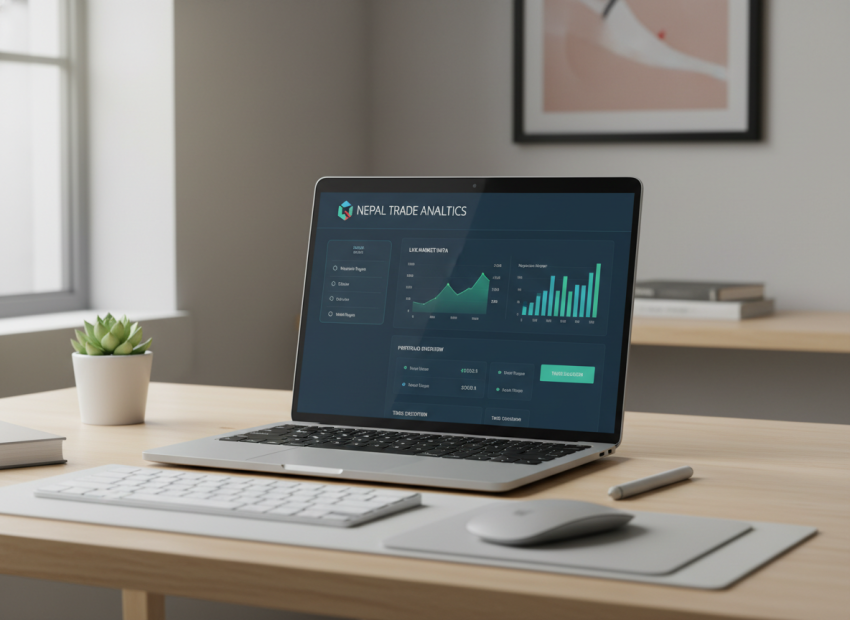
Nepal’s stock market has undergone significant modernization, with online trading now the primary method for investors. Central to this digital evolution is the Trading Management System (TMS), a critical platform facilitating the efficient buying and selling of securities. A robust and user-friendly TMS, provided by a reliable brokerage firm, is indispensable for effectively navigating the Nepal Stock Exchange (NEPSE). This section provides an overview of the TMS brokerage landscape in Nepal, underscoring its growing importance for both new and seasoned traders.
The Evolution of Online Trading: Understanding NEPSE TMS
The shift from floor-based trading to digital execution has revolutionized the Nepal Stock Exchange (NEPSE). Central to this transformation is the Trading Management System (TMS), a portal connecting investors directly to the market. This technology allows for real-time order execution, replacing manual, time-consuming processes.
Today, choosing a broker depends heavily on digital stability and regulatory compliance. Understanding how these platforms function is essential for any investor navigating Nepal’s modern financial landscape and seeking reliable market access.
What is a Trading Management System (TMS)?
The Trading Management System (TMS) is the technical gateway provided by NEPSE to licensed brokers, facilitating seamless online share trading in Nepal. It acts as a centralized interface where investors can execute real-time transactions without physical intervention.
Key functionalities include:
-
Order Execution: Real-time placement of buy and sell orders on the NEPSE floor.
-
Collateral Management: Managing funds to establish and maintain trading limits.
-
Market Insights: Accessing live indices, floorsheets, and market depth.
-
Portfolio Oversight: Monitoring holdings and profit/loss metrics instantly.
This system is essential for modern stock trading in Nepal, ensuring transparency and market efficiency.
The Importance of Choosing a Licensed Broker
In the Nepalese capital market, security is paramount. Selecting a licensed stock broker in Nepal ensures your capital is protected under the regulatory framework of the Securities Board of Nepal (SEBON) and the Nepal Stock Exchange (NEPSE). Licensed firms provide:
-
Legal Recourse: Protection against fraudulent activities and unauthorized trades.
-
Data Integrity: Secure NEPSE TMS login environments that safeguard sensitive financial information.
-
Compliance: Adherence to standardized brokerage commissions and transparent settlement cycles.
Trading through unauthorized entities risks total loss without legal remedy.
Selection Criteria for Nepal’s Leading Brokerage Firms
While SEBON licensing establishes a crucial foundation for regulatory compliance and investor protection, identifying the best TMS broker in Nepal necessitates a more comprehensive evaluation. This section outlines the essential criteria for assessing brokerage firms, moving beyond basic legality to focus on operational excellence and client-centric services. We will explore key factors that truly differentiate top-tier brokers in the Nepalese market.
Performance Metrics: Transaction Volume and Reliability
Building on the framework for informed decision-making, evaluating a broker’s performance metrics is paramount. Transaction volume serves as a robust indicator of a broker’s market presence and liquidity, often correlating with a more active and efficient trading environment. Equally critical is reliability, encompassing the stability of their TMS platform and the speed of trade execution. A reliable broker ensures minimal downtime and swift order processing, which are essential for capitalizing on market movements and avoiding potential losses due to technical glitches.
Evaluating Customer Service and Technical Support
While performance metrics are vital, customer service and technical support are the backbone of a reliable trading experience. In Nepal’s evolving market, top-tier brokers must provide:
-
Multi-channel Accessibility: Availability via phone, email, and instant messaging platforms like Viber or WhatsApp for real-time queries.
-
Technical Proficiency: Rapid resolution of TMS login glitches, collateral update delays, and Mero Share linking issues.
-
Proactive Communication: Timely updates regarding system maintenance or NEPSE-wide technical halts.
Prioritize firms with dedicated support desks that minimize downtime, ensuring seamless trade execution during high-volatility sessions.
Top 10 Best TMS Brokers in Nepal: Detailed Review
Building on the critical importance of robust customer support and technical expertise for a seamless trading experience, this section delves into a comprehensive review of Nepal’s top 10 TMS brokers. Our aim is to provide a detailed analysis, helping you identify the most reliable and efficient platforms for your stock trading needs. We will examine key aspects that distinguish leading brokerage firms in the Nepalese market.
Profiles of High-Volume Brokers like Vision and Naasa Securities
In the competitive landscape of NEPSE, Vision Securities (Broker 34) and Naasa Securities (Broker 58) consistently lead in transaction volume. Vision Securities is highly regarded for its market presence and efficient trade processing, making it a preferred choice for active traders. Similarly, Naasa Securities frequently tops turnover charts, offering a robust infrastructure that handles large-scale orders with minimal latency. Both firms provide a streamlined NEPSE TMS login experience, prioritizing platform uptime and liquidity for their diverse clientele in the Nepal stock market.
Comparison of Platform Stability and User Experience
Beyond transaction volume, the technical reliability of a broker’s NEPSE TMS login portal is paramount. While the core software is standardized, server capacity differs significantly across the top 10 firms.
-
High-Traffic Stability: Brokers like Vision Securities and Naasa invest in robust server infrastructure to mitigate lag during the 11:00 AM market opening.
-
Interface & Support: Firms such as Kumari Securities and Siprabi are frequently cited for faster order execution and more responsive technical helpdesks.
A stable platform ensures that "order pending" statuses are minimized, providing a seamless experience for active day traders.
Costs and Compliance: Managing Your Trading Account
While selecting a broker with robust technical infrastructure is essential for execution, understanding the financial obligations and regulatory requirements is equally critical for long-term profitability. Navigating the NEPSE ecosystem requires a clear grasp of the overheads involved in every transaction to ensure your net returns remain optimized.
Beyond platform stability, successful trading in Nepal hinges on efficient account management and strict compliance with SEBON guidelines. This involves balancing competitive commission structures with the administrative steps necessary to integrate your digital assets seamlessly into the TMS environment.
Brokerage Commissions and Mandatory Transaction Fees
Trading via NEPSE TMS involves a tiered commission structure regulated by SEBON. For equity transactions, commissions typically range from 0.27% to 0.40%, depending on the total trade volume.
Beyond brokerage, mandatory costs include:
-
SEBON Fee: 0.015% of the transaction amount.
-
DP Charge: Rs. 25 per scrip per transaction day.
-
Capital Gains Tax (CGT): 5% for long-term (held >365 days) and 7.5% for short-term individual investors.
These standardized fees ensure transparency across all licensed brokers in Nepal, allowing traders to calculate net profitability accurately.
How to Open a Trading Account and Link Mero Share
To initiate trading, select a licensed broker and complete the online KYC via their specific TMS portal. You will need your citizenship ID, bank details, and a recent photograph.
-
Account Activation: After verification, the broker provides your unique TMS login credentials.
-
Mero Share Integration: Link your 16-digit Demat account to the TMS to sync your portfolio.
-
CRN Requirement: Obtain a C-ASBA Registration Number (CRN) from your bank to facilitate electronic payment settlements.
This synchronization is vital for the automated transfer of securities and funds through the NEPSE system.
Finding Your Ideal Trading Partner
Choosing your ideal NEPSE TMS broker involves balancing platform reliability with support quality. High-volume traders often prefer established firms like Vision Securities or Naasa Securities for their robust infrastructure. Conversely, beginners may benefit from bank-subsidiary brokers like NIMB Stock Markets or Sanima Securities for streamlined fund management and integrated banking services.
Final Selection Checklist:
-
System Stability: Prioritize brokers with minimal TMS downtime during peak hours.
-
Responsive Support: Ensure they offer quick resolution for trade mismatches or collateral issues.
-
Fee Transparency: Verify all commission structures and hidden costs before committing.