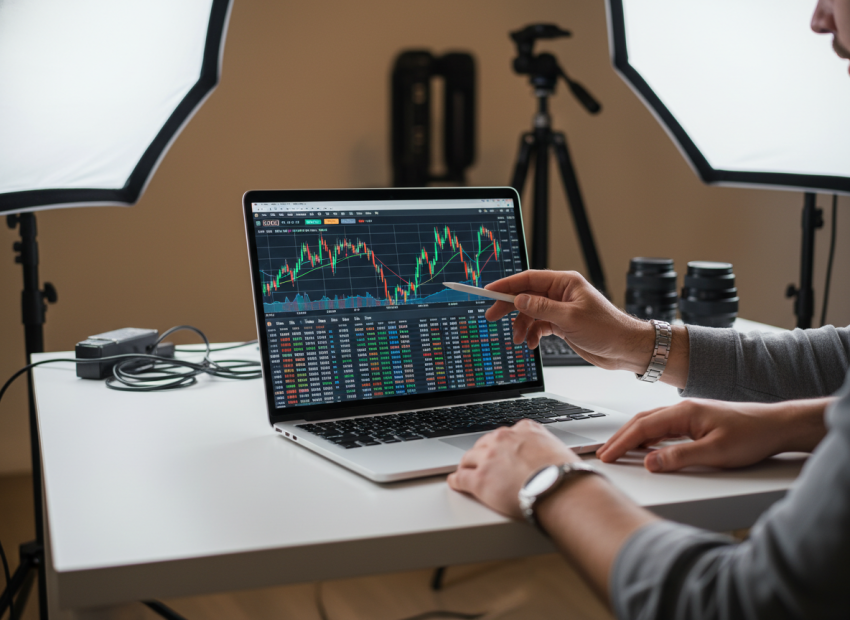
Nigeria’s forex market is a rapidly expanding landscape, attracting a growing number of retail investors and tech-savvy individuals seeking global financial opportunities. Forex trading is fully legal within Nigeria, operating under the general oversight of the Central Bank of Nigeria (CBN) and the Securities and Exchange Commission (SEC). While local regulations are continually evolving, many Nigerian traders frequently engage with reputable international brokers. These global platforms often provide access to advanced trading tools, competitive spreads, and a broad selection of currency pairs, including convenient options for Naira (NGN) deposits and withdrawals. This guide will help both novice and experienced traders navigate this dynamic market to find the most suitable forex brokers.
Regulation and Legal Framework for Nigerian Traders
Navigating the regulatory landscape is a critical step for any Nigerian trader aiming to protect their capital. While the market is vibrant, it operates under a unique framework where local oversight meets international standards. For retail investor accounts, understanding these rules is the best way to ensure a secure trading experience.
To trade safely, investors must recognize the boundaries set by:
-
Domestic financial authorities and their specific mandates.
-
The legal status of using FX platforms based abroad.
By clarifying these legal boundaries, traders can better evaluate trading brokerages and choose partners that offer the highest levels of security and transparency.
The Roles of the CBN and SEC in Local Forex Oversight
The regulatory landscape in Nigeria is governed by a ‘twin-peak’ system comprising the Central Bank of Nigeria (CBN) and the Securities and Exchange Commission (SEC).
-
Central Bank of Nigeria (CBN): The CBN focuses on monetary policy and the stability of the Naira (NGN). It oversees the official foreign exchange market and issued the 2016 guidelines requiring authorization for over-the-counter (OTC) forex products.
-
SEC Nigeria: As the primary capital markets watchdog, the SEC protects retail investor accounts by monitoring investment schemes. While the SEC has not yet established a dedicated licensing framework specifically for online retail forex brokerages, it remains the authority for securities and derivatives trading.
Nigerian traders must ensure their activities align with these bodies, particularly regarding the legal repatriation of funds and tax reporting on trading profits.
Legality of Trading with Offshore and International Regulated Brokers
While the Central Bank of Nigeria (CBN) and the Securities and Exchange Commission (SEC) primarily focus on local financial stability and capital markets, specific regulations governing online forex trading with local entities are still developing. Crucially, Nigerian law does not prohibit residents from opening trading accounts with offshore or internationally regulated forex brokers. This provides Nigerian traders with access to a broader spectrum of advanced platforms, diverse trading instruments, and competitive conditions often not found within the local market.
It is paramount for traders to prioritize international brokers regulated by highly reputable global authorities, such as the FCA (UK), CySEC (Cyprus), or ASIC (Australia), to ensure robust investor protection and operational transparency. Additionally, Nigerian residents are legally required to declare and report any income generated from forex trading with these international brokers to the appropriate tax authorities, maintaining full compliance with national financial regulations.
Reviewing the Top 10 Best Forex Brokers in Nigeria
Following our comprehensive overview of the regulatory landscape and the legal framework for Nigerian traders engaging with international forex brokers, the crucial next step is identifying a suitable trading platform. This section delves into a meticulously curated list of the top 10 best forex brokers that specifically cater to the Nigerian market.
We have thoroughly evaluated these platforms based on their offerings, ensuring they meet the diverse requirements of both beginner traders seeking low minimum deposits and advanced traders looking for robust tools and high-volume trading capabilities.
Best Platforms for Beginners with Low Minimum Deposits
For Nigerian beginners venturing into forex, platforms with low minimum deposits are crucial for managing initial risk. Several reputable international brokers cater specifically to this need, offering accessible entry points into the market.
-
eToro stands out as an excellent choice for novices, featuring a user-friendly interface and a minimum deposit of just $20. Its renowned copy trading service allows beginners to mirror the trades of experienced investors, providing a practical learning curve without requiring extensive prior knowledge.
-
XTB is another highly recommended option, particularly appealing for its no minimum deposit requirement. This flexibility makes it incredibly accessible for new traders to start with an amount they are comfortable with, reducing the barrier to entry.
These brokers prioritize ease of use and offer educational resources, making them ideal starting points for those new to forex trading.
Top-Rated Brokers for Advanced Traders and High-Volume Trading
For experienced Nigerian traders, execution speed and cost efficiency are the primary drivers of platform selection. Brokers like IC Markets and Pepperstone stand out by offering ECN-style execution and deep liquidity pools. These providers are favored for their "Raw Spread" account structures, where spreads frequently hit 0.0 pips on major pairs, replaced by a transparent commission per lot.
Advanced traders in Nigeria often leverage:
-
MetaTrader 5 (MT5) & cTrader: For superior algorithmic trading and depth of market (DOM) insights.
-
VPS Hosting: To minimize latency and ensure 24/5 uptime for automated Expert Advisors (EAs).
-
High Leverage: Accessing up to 1:500 for professional-tier accounts to maximize capital efficiency during high-volatility sessions.
Localized Payment Solutions: Naira Deposits and Withdrawals
Having identified top-tier brokers offering advanced trading conditions, the next crucial step for Nigerian traders is understanding how to seamlessly fund their accounts and withdraw profits using local currency. Efficient capital management is paramount, and this often hinges on the availability of localized payment solutions that cater specifically to the Nigerian market, particularly for Naira deposits and withdrawals. This section will explore the various methods available to ensure smooth financial transactions.
Funding with Naira via Local Bank Transfers and Instant Pay
The ability to fund accounts directly in Naira (NGN) is a critical advantage for local traders. Top-tier brokers now integrate local payment gateways, allowing for seamless transactions via Nigeria Instant Payment (NIP) and direct bank transfers. This localized approach eliminates the need for costly third-party currency conversion and protects your capital from unfavorable exchange rate fluctuations during the deposit process.
Benefits of Localized Funding:
-
Instant Execution: Most NIP transfers reflect in trading accounts almost immediately, allowing for rapid market entry.
-
Reduced Costs: Avoid the high conversion fees and hidden spreads associated with USD-denominated e-wallets.
-
Familiarity: Use standard banking apps from trusted institutions like GTBank, Zenith Bank, or Access Bank.
By utilizing these "Instant Pay" solutions, traders ensure their funds are handled securely while maintaining compliance with local financial standards.
Managing Currency Conversion and E-Wallet Options like PayPal
While local transfers offer simplicity, many advanced Nigerian traders utilize e-wallets such as PayPal, Skrill, and Neteller for enhanced global flexibility. These digital wallets allow you to hold balances in USD or EUR, serving as a strategic hedge against Naira (NGN) fluctuations.
When using these options, it is vital to account for currency conversion costs. Most international retail investor accounts are denominated in USD. To optimize your capital, consider the following:
-
Conversion Spreads: Compare the e-wallet’s exchange rate against the broker’s internal rate to avoid hidden fees.
-
Transaction Speed: E-wallet deposits are typically instantaneous, ensuring you can capitalize on market volatility immediately.
-
Withdrawal Efficiency: Funds returned to e-wallets often bypass the longer processing times associated with international wire transfers.
Selecting a broker that supports both NGN local transfers and major e-wallets provides the best balance of cost-efficiency and liquidity for active trading.
Trading Platforms, Tools, and Technology
Once you have optimized your funding strategy using local Naira gateways, the next critical decision involves the trading infrastructure you will use to engage with the global markets. In Nigeria’s fast-paced financial landscape, the choice of platform can significantly impact execution speed, technical analysis capabilities, and overall user experience.
Top-tier brokers provide a diverse technological ecosystem designed to cater to different skill levels:
-
Standardized Terminals: Reliable for technical analysis and automated trading.
-
Proprietary Mobile Apps: Tailored for on-the-go trading with localized features.
-
Social Integration: Tools that allow for community-driven investment strategies.
Comparing MetaTrader 4, MetaTrader 5, and Proprietary Apps
Selecting the right interface is critical for execution speed and technical analysis. Nigerian traders generally navigate between three primary software categories:
-
MetaTrader 4 (MT4): The global benchmark for currency trading. It is favored by local veterans for its stability and the vast availability of automated Expert Advisors (EAs).
-
MetaTrader 5 (MT5): An advanced multi-asset platform. It offers more timeframes, superior back-testing capabilities, and is better suited for those diversifying into CFDs on stocks and indices.
-
Proprietary Apps: Custom-built platforms from brokers like HFM or Exness. These often provide a more intuitive user experience, featuring integrated Naira deposit modules and mobile-first designs that resonate with tech-savvy youth.
While MetaTrader remains the professional standard, proprietary apps are gaining ground due to their seamless integration of account management and trading tools.
The Rise of Copy Trading and Social Trading Platforms in Nigeria
Beyond traditional charting, the Nigerian retail sector has seen a massive surge in copy trading and social trading adoption. These platforms allow beginners to mirror the positions of experienced ‘Strategy Providers’ in real-time, significantly lowering the barrier to entry for the tech-savvy youth. Leading brokers like eToro, HFM, and OctaFX provide integrated social ecosystems where users can rank traders by performance, risk level, and historical drawdown.
This shift toward community-based trading democratizes access to professional-grade strategies. For many local investors, it serves as a bridge between learning and active participation, allowing them to earn while they develop their own technical proficiency in the global currency markets.
Trading Conditions: Costs, Spreads, and Leverage
Building on the understanding of how a broker’s cost structure impacts trading strategies, this section delves into the critical trading conditions that directly affect profitability for Nigerian traders. Beyond the appeal of social trading, the true financial viability of any forex venture hinges on factors like spreads, commissions, and the leverage offered. These elements are paramount in determining the overall cost of trading and the potential for both gains and losses.
Understanding these conditions is essential for both beginner and advanced traders to make informed decisions, ensuring their chosen broker aligns with their financial goals and risk tolerance.
Analysis of Low Spread and Zero Commission Account Structures
Building on our understanding of trading conditions, a crucial aspect for Nigerian traders is discerning between low spread and zero commission account structures. Low spread accounts typically feature tighter bid-ask differences, which can be highly beneficial for high-frequency traders or those employing scalping strategies, as transaction costs per trade are minimized. However, these accounts often compensate with a per-lot commission.
Conversely, zero commission accounts eliminate direct trading fees, embedding the broker’s profit within slightly wider spreads. This model appeals to beginner traders or those with lower trading volumes, simplifying cost calculations. While seemingly ‘free,’ the wider spreads can accumulate costs over many trades. Nigerian traders must carefully evaluate their trading style and volume to determine which structure offers the most cost-effective execution.
Understanding Leverage Risks and Margin Requirements for Retail Accounts
Beyond spreads, leverage is the most critical factor for Nigerian retail traders. While international brokers often offer ratios up to 1:1000, this "double-edged sword" significantly amplifies both profits and losses. Margin acts as a good-faith deposit to maintain open positions; however, if the market moves against you, a Margin Call may occur.
To protect your capital, prioritize brokers offering:
-
Negative Balance Protection: Prevents you from owing more than your initial deposit.
-
Automatic Stop-Outs: Closes positions if equity drops below a specific threshold.
-
Flexible Leverage: Allows you to manually reduce risk during periods of high market volatility.
Advanced traders may utilize higher leverage for specific strategies, but beginners should stick to conservative ratios to avoid rapid account depletion.
Practical Trading Guide for the Nigerian Market
Understanding the technical nuances of leverage and margin is essential for capital preservation, but successful trading in the Nigerian market also requires a firm grasp of operational logistics. Beyond choosing a broker with competitive spreads, traders must align their strategies with global market liquidity and adhere to strict security protocols to safeguard their funds.
This guide transitions from theory to practice, focusing on the specific environmental factors that impact Nigerian retail investors. We will examine how to optimize your trading schedule within the West Africa Time (WAT) zone and the essential steps required to verify your identity and secure your digital assets against common industry risks.
Best Times to Trade Forex in Nigeria (GMT+1/WAT)
For Nigerian traders operating in the West Africa Time (WAT/GMT+1) zone, timing is a critical factor for liquidity and spread efficiency. While the market is open 24/5, the most lucrative opportunities typically occur during session overlaps when the highest volume of orders hits the interbank market.
-
London Session (8:00 AM – 5:00 PM WAT): This is the most active period for major pairs like EUR/USD and GBP/USD, aligning perfectly with the Nigerian business day.
-
The Golden Window (1:00 PM – 5:00 PM WAT): This is the overlap between the London and New York sessions. It represents the peak of daily trading volume, offering the tightest spreads and highest volatility.
-
New York Session (1:00 PM – 10:00 PM WAT): Ideal for trading USD-crosses and reacting to high-impact US economic data releases.
Advanced traders often prefer the Golden Window to capitalize on rapid price movements, while beginners benefit from the high liquidity which ensures orders are filled at requested prices without significant slippage.
Step-by-Step Guide to Account Verification and Security Best Practices
Securing your capital begins with a rigorous KYC process. Most top-tier brokers require a valid NIN, International Passport, or Voter’s Card, plus a bank statement for residency verification.
Essential Security Measures:
-
Enable 2FA: Use biometric or app-based authentication.
-
Secure Networks: Avoid trading on public Wi-Fi.
-
Verified Withdrawals: Ensure funds only return to your registered Naira account.
These protocols safeguard your investment.
Conclusion: Choosing the Right Broker for Your Financial Goals
Selecting the best forex broker in Nigeria requires balancing security with functionality. For beginners, prioritizing platforms with low minimum deposits and Naira bank transfers is essential. Advanced traders should focus on low-spread ECN accounts and robust technology like MetaTrader 5. Always ensure your chosen provider is regulated by top-tier authorities (FCA, CySEC, or ASIC) to safeguard your capital. Ultimately, the right brokerage aligns with your risk tolerance and long-term financial objectives in the global FX market.