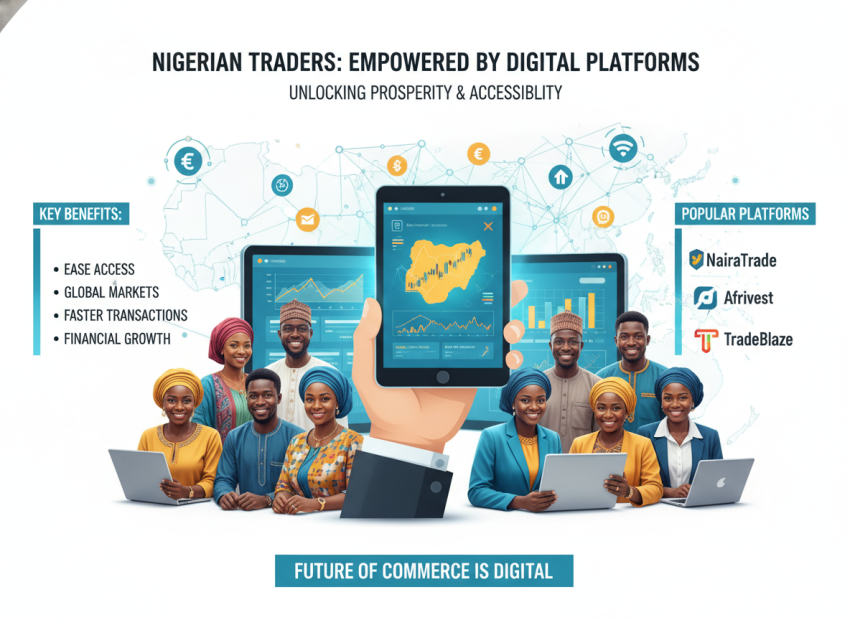
Nigeria has emerged as one of Africa’s most dynamic hubs for online forex trading, driven by a tech-savvy population seeking financial diversification. As the continent’s largest economy, the Nigerian forex market offers immense potential, yet navigating this landscape requires a clear understanding of both local oversight and global standards. While the Central Bank of Nigeria (CBN) manages domestic stability, many residents opt for international brokers to access superior liquidity and advanced trading platforms.
Selecting a reliable broker is the most critical step for any trader. This guide provides a professional analysis of the top 10 forex brokers for Nigerian clients, focusing on:
-
Regulatory status and the security of client funds.
-
Support for Naira (NGN) accounts and local bank transfers.
-
Competitive spreads, commissions, and execution speeds.
Our review aims to help you identify a trustworthy partner that aligns with your specific trading goals and risk tolerance in the evolving Nigerian financial landscape.
Understanding the Forex Market in Nigeria
Building on the importance of selecting a reputable broker, it’s crucial for Nigerian traders to first grasp the unique dynamics of their local forex market. Nigeria presents a vibrant, yet distinct, landscape for currency trading, influenced by both global trends and domestic economic factors. Understanding this environment is paramount for navigating the market successfully and making informed decisions.
This section will delve into the foundational aspects that shape forex trading within the country, providing essential context. We will explore the regulatory framework that governs financial activities and examine the factors contributing to the increasing popularity of online forex trading among Nigerians.
Legality and Regulatory Landscape for Nigerian Traders
Forex trading is entirely legal in Nigeria, provided individuals trade using their own capital for personal gain. The primary financial watchdogs are the Central Bank of Nigeria (CBN) and the Securities and Exchange Commission (SEC). While these bodies oversee the broader financial system and capital markets, a specific, dedicated regulatory framework for retail online forex brokerage is still in its developmental stages.
Because the SEC does not currently issue specific licenses for online retail forex dealers, most Nigerian traders seek protection by registering with international brokerages regulated by Tier-1 authorities. Key regulatory pillars for local traders include:
-
Global Credibility: Preference for brokers overseen by the FCA (UK), ASIC (Australia), or CySEC (Cyprus).
-
Fund Management Restrictions: It is illegal to manage third-party funds or operate as a money manager without explicit CBN authorization.
-
Investor Protection: Utilizing globally regulated firms ensures access to segregated accounts and negative balance protection, which are not yet mandated locally.
By navigating this landscape through reputable offshore providers, Nigerian investors can trade securely while the local regulatory environment continues to evolve.
The Growth and Appeal of Online Forex Trading in Nigeria
The surge in online forex trading across Nigeria is primarily fueled by a tech-savvy youth population seeking to diversify income streams amidst local economic volatility. As the Naira faces inflationary pressures and fluctuations tied to global oil prices, many Nigerians view the $7.5 trillion-a-day global currency market as a viable hedge and a path toward financial independence.
Several factors contribute to this growing appeal:
-
Technological Accessibility: High smartphone penetration and improved internet connectivity allow traders to execute orders from anywhere via mobile apps.
-
Low Entry Barriers: Many international brokers offer micro-accounts with minimum deposits as low as $5 to $10, making the market accessible to retail investors.
-
Educational Resources: A proliferation of local trading academies and free webinars from global brokerages has significantly lowered the learning curve for beginners.
This combination of economic necessity and digital infrastructure has positioned Nigeria as one of Africa’s most active retail trading hubs, attracting top-tier international firms to the region.
How to Identify the Best Forex Brokers for Nigerian Traders
Having explored the growing appeal of forex trading in Nigeria and the socio-economic factors driving its popularity, the critical next step for any aspiring or experienced trader is to navigate the vast landscape of available brokers. Choosing the right forex broker is paramount, as it directly impacts your trading experience, security of funds, and access to essential tools. With numerous international platforms catering to Nigerian clients, understanding how to identify a truly reliable and suitable partner is key to a successful and secure trading journey. This section will equip you with the knowledge to make informed decisions.
Key Criteria for Selecting a Reliable Broker (Regulation, Platforms, Support)
Selecting a reliable broker requires a rigorous evaluation of three core pillars: regulatory oversight, platform technology, and support infrastructure.
-
Regulation: Prioritize brokers licensed by Tier-1 authorities such as the FCA (UK), ASIC (Australia), or CySEC (Cyprus). While the Nigerian SEC is developing its retail framework, these international licenses ensure essential protections like segregated client funds and negative balance protection.
-
Trading Platforms: A robust platform is vital for execution speed and technical analysis. Industry standards like MetaTrader 4 (MT4), MetaTrader 5 (MT5), and cTrader are preferred. Ensure the broker offers a high-performance mobile app, as mobile trading is the primary method for many Nigerian investors.
-
Customer Support: Reliable brokers provide 24/5 or 24/7 assistance. For local traders, brokers offering local phone support, WhatsApp channels, and fast response times are superior for resolving technical or funding issues efficiently.
Assessing Security Measures and Fund Protection
Beyond basic licensing, Nigerian traders must scrutinize how a broker handles their capital. The gold standard for fund safety is segregated client accounts. This protocol ensures your deposits are held in top-tier international banks, entirely separate from the broker’s operational funds, protecting your capital if the firm faces insolvency.
Additionally, look for these critical security features:
-
Negative Balance Protection: This is essential for high-leverage trading, ensuring you never owe the broker more than your account balance during extreme market volatility.
-
Investor Compensation Schemes: Brokers regulated by Tier-1 authorities like the FCA (UK) or CySEC (Cyprus) provide access to compensation funds (e.g., FSCS or ICF), which can reimburse traders up to specific limits if the broker fails.
-
Technical Security: Ensure the platform utilizes advanced SSL encryption and offers Two-Factor Authentication (2FA) to prevent unauthorized account access.
Verifying these protocols is non-negotiable for securing your financial interests in the global market.
The Top 10 Best Forex Brokers Accepting Nigerian Clients
Building on the foundational security measures and regulatory standards discussed previously, we have curated a definitive list of the premier trading platforms available to local investors. Selecting the right partner involves more than just verifying a license; it requires evaluating how well a firm integrates with the Nigerian financial ecosystem, including support for local bank transfers and Naira-denominated accounts.
The following selection represents the "best-in-class" options based on our rigorous benchmarking process. We have prioritized brokers that offer a sophisticated blend of low-cost trading environments, advanced platform stability, and dedicated support for the West African region.
Detailed Reviews and Offerings of Each Broker
Selecting a brokerage requires balancing execution quality with local convenience. The following firms represent the industry leaders for Nigerian traders based on regulatory standing and service depth:
-
Exness: Distinguished by Naira (NGN) accounts and instant withdrawals, making it a top choice for efficient capital management.
-
HFM: Offers localized support and seamless Nigerian bank transfers, catering to both retail and professional tiers with diverse account options.
-
FXTM: Maintains a strong physical presence in Nigeria, providing localized education and specialized accounts for local residents.
-
XM: Ideal for beginners due to its $5 minimum deposit and extensive library of educational webinars and research.
-
Pepperstone: A premier choice for ECN execution, offering low latency and institutional-grade spreads via cTrader and MetaTrader.
-
IC Markets: Highly recommended for scalpers and algorithmic traders requiring deep liquidity and minimal slippage.
-
OctaFX: Popular for its low-cost structure and the absence of commissions on its primary trading accounts.
-
AvaTrade: Provides a highly regulated environment with fixed spreads and advanced proprietary risk management tools.
-
FBS: Known for high leverage availability and localized promotional offers tailored to the Nigerian market.
-
Admiral Markets: Combines multi-jurisdictional regulation with advanced MetaTrader 5 enhancements for sophisticated charting.
Comparative Analysis of Features, Trading Conditions, and User Experience
To effectively differentiate between the leading providers, traders must weigh execution speed against the total cost of ownership. While some brokers prioritize zero-spread accounts with fixed commissions, others offer commission-free trading with slightly wider markups. The choice often depends on the trader’s specific strategy and frequency.
| Feature | ECN/STP Brokers | Market Makers |
|---|---|---|
| Average Spreads | From 0.0 pips | From 0.6 – 1.2 pips |
| Commission | $3 – $7 per lot | Zero |
| Execution | Market (No Requotes) | Instant/Market |
| Best For | Scalpers & High Volume | Beginners & Swing Traders |
User Experience & Platform Accessibility
-
Platform Diversity: Most top-tier brokers support MetaTrader 4 (MT4) and MetaTrader 5 (MT5), though modern traders increasingly favor cTrader for its advanced depth-of-market features.
-
Mobile Optimization: Given the high mobile penetration in Nigeria, brokers with high-performance proprietary apps often rank higher in user satisfaction due to lower latency on local networks.
-
Local Integration: The best user experiences are provided by firms offering Naira-denominated accounts, which eliminate currency conversion friction and simplify the deposit process.
Essential Trading Considerations for Nigerian Traders
Navigating the technical landscape of brokerage models is only the first step. For a Nigerian trader, the practicalities of account management and cost efficiency are what truly define long-term profitability. Beyond platform features, you must evaluate how a broker integrates with the local financial ecosystem. This involves looking at how your capital is handled—from the initial deposit in Naira to the ongoing costs of every trade executed.
In this section, we shift our focus toward the operational realities of the Nigerian market. We will examine the structural nuances of account offerings and the specific fee environments that can either erode or protect your margins. Understanding these logistical pillars is essential for optimizing your capital allocation.
Account Types, Minimum Deposits, and Local Payment Solutions (Naira Accounts)
Nigerian traders should prioritize brokers offering Naira (NGN) base accounts. This feature is a significant advantage, as it eliminates the 2-3% currency conversion fees typically incurred when depositing via USD or EUR. Most top-tier brokers provide a variety of account structures tailored to different experience levels:
-
Standard Accounts: Ideal for retail traders, often commission-free with slightly wider spreads.
-
ECN/Raw Accounts: Preferred by professionals for direct market access and razor-thin spreads, though they carry a per-lot commission.
-
Cent/Micro Accounts: Perfect for beginners, allowing trades with a minimum deposit as low as $1 to $10.
For seamless transactions, look for brokers supporting local bank transfers (e.g., GTBank, Zenith) and instant payment gateways. While some platforms allow $1 entries, a practical starting capital of $100–$500 is recommended to manage leverage and risk effectively in the volatile Nigerian market.
Understanding Spreads, Commissions, and Other Trading Fees
Beyond account selection, the cost of execution is the primary determinant of long-term profitability. Nigerian traders typically encounter two pricing models:
-
Spreads: The difference between the bid and ask price. While fixed spreads offer predictability, variable spreads usually provide tighter pricing during high market liquidity.
-
Commissions: Often found on ECN or ‘Raw’ accounts, these are flat fees charged per lot traded in exchange for near-zero spreads.
Traders should also monitor swap rates (overnight interest). Many brokers offer Islamic or Swap-Free accounts, which are highly popular in Nigeria to avoid these charges. Additionally, be mindful of non-trading costs like inactivity fees and withdrawal charges, which can erode capital if not factored into your strategy.
Optimizing Your Forex Trading Journey in Nigeria
Having thoroughly examined the various costs associated with forex trading, from spreads to commissions, it’s clear that optimizing your trading strategy extends beyond simply finding a broker with competitive fees. The next crucial step involves equipping yourself with the right resources and knowledge to navigate the dynamic Nigerian forex market effectively.
This section will guide you through selecting the most suitable trading platforms and tools, alongside implementing robust risk management strategies and leveraging educational resources to enhance your trading proficiency and protect your capital.
Choosing the Right Trading Platform and Tools
Beyond managing trading costs, selecting the right platform and tools is paramount for optimizing your forex journey. Most reputable brokers offer industry-standard platforms like MetaTrader 4 (MT4) and MetaTrader 5 (MT5), known for their robust charting capabilities, extensive technical indicators, and support for automated trading (Expert Advisors). Consider a platform’s user-friendliness, analytical depth, and mobile accessibility, especially for on-the-go trading. Some brokers also provide proprietary platforms with unique features. Complementing your platform with essential tools such as advanced charting software, real-time economic calendars, and reliable news feeds can significantly enhance your decision-making process and market awareness, tailoring your setup to your specific trading style.
Risk Management Strategies and Accessing Educational Resources
Effective risk management is the bedrock of longevity in the Nigerian forex market. Given the Naira’s inherent volatility and the high leverage offered by international brokers, traders must prioritize capital preservation through disciplined strategies:
-
Stop-Loss Orders: Essential for capping potential losses on every trade.
-
Position Sizing: Limit risk to 1-2% of your total equity per position.
-
Leverage Control: Use leverage conservatively to avoid rapid account depletion.
Beyond safety, continuous learning is vital. Leading brokers offer robust educational resources, including:
-
Demo Accounts: For testing strategies without financial risk.
-
Webinars & Tutorials: Structured learning paths from beginner to advanced levels.
-
Market Insights: Daily technical and fundamental analysis to inform your trading bias.
Conclusion
Navigating the Nigerian forex market requires a strategic approach that balances opportunity with security. While the local regulatory landscape continues to evolve, the availability of top-tier international brokers provides a robust environment for local traders to thrive. When making your final selection, prioritize firms that offer Naira-denominated accounts and local bank transfers to mitigate the impact of exchange rate volatility on your initial capital.
Final Checklist for Nigerian Traders:
-
Regulatory Compliance: Verify licenses from reputable global authorities like the FCA, ASIC, or CySEC.
-
Transaction Efficiency: Ensure the broker supports seamless local payment methods and offers competitive spreads.
-
Support and Education: Opt for providers that offer localized customer support and comprehensive training resources.
Ultimately, your success depends on combining a reliable brokerage partner with the disciplined risk management strategies discussed in this guide. Start with a demo account to refine your skills before committing significant funds to the live market.